Key takeaways
- Fine hairline cracks are common and can usually be patched before painting.
- Wide, recurring or stepped cracks may indicate movement worth investigating.
- With water damage, fix the leak first, then replace affected plasterboard and seal stains.
Plaster problems are among the most common issues we see before repainting. The right repair depends on what caused the damage.
Hairline cracks
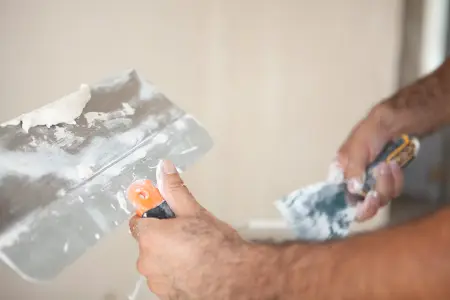
Fine cracks around cornices, door frames and plasterboard joints are common, often caused by seasonal movement. They can usually be raked out, filled, set and sanded before painting.
Larger or recurring cracks
Cracks that are wide, stepped, growing or that keep returning after repair can indicate structural movement. We’ll point these out so you can seek the right advice before cosmetic repairs.
Water damage
Brown stains, bubbling paint or sagging ceilings usually mean water has got in. The leak must be fixed first. Then we remove damaged plasterboard, replace and finish it, and use a stain-blocking primer so marks don’t bleed through new paint.
Why it pays to plaster and paint together
When the same team handles plastering and painting, repairs are finished to a paint-ready standard and there’s no gap between trades.
Need a hand with this?
Talk to our team for a free, no-obligation quote.