
Key takeaways
- Render changes the texture and look of a wall; paint changes colour and protects the surface.
- Rendering suits dated face brick or patchy masonry you want to modernise.
- Rendered walls still need a quality paint finish to protect them.
If your home’s exterior is looking tired, you’ll usually be choosing between a repaint and a new render. Both can make a big difference — but they solve different problems.
When painting is enough
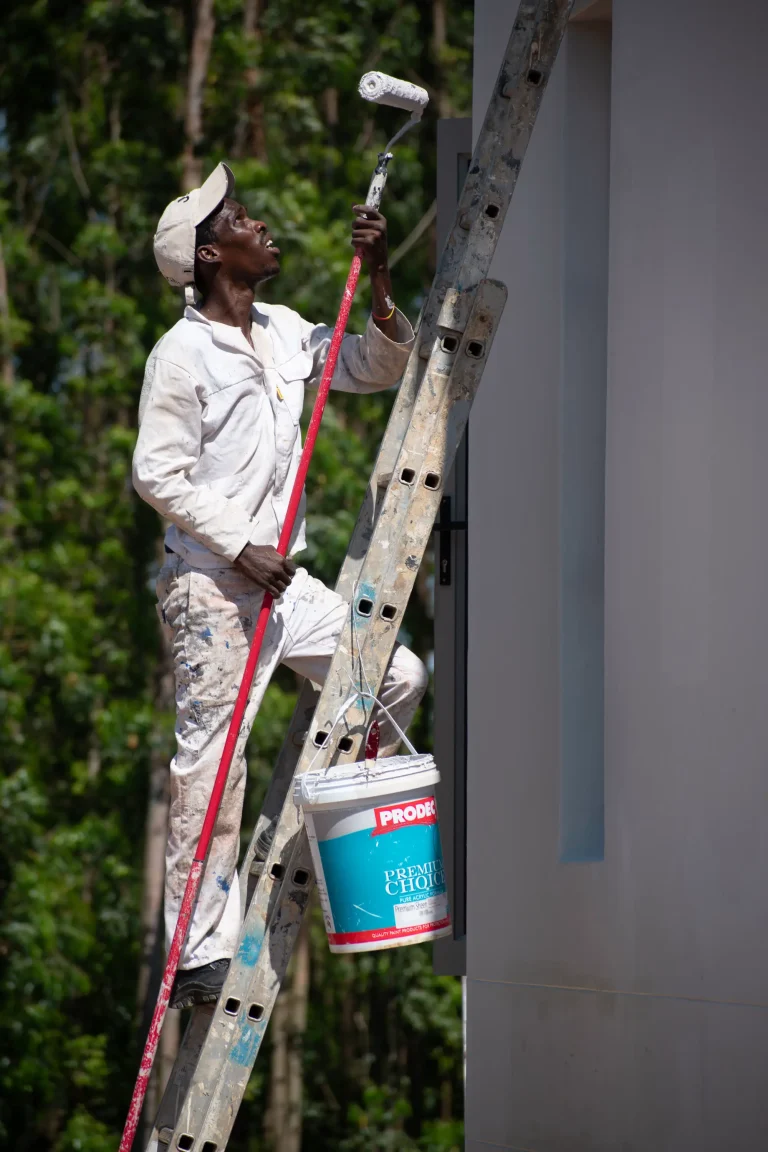
If walls are sound and you’re happy with their texture, a professional repaint refreshes the colour and protects the surface. It’s generally faster and less disruptive than rendering.
When rendering makes sense
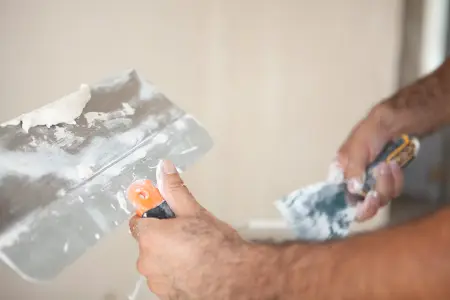
Rendering suits homes where you want to change the look entirely — for example, modernising 1970s face brick, unifying patchy repairs or creating a smooth contemporary finish.
Cement or acrylic render?
Traditional cement render suits many masonry walls, while acrylic renders include polymers that add flexibility and help reduce cracking. The right system depends on the substrate and exposure, which is why we inspect before recommending.
Don’t forget the finish
Render is usually finished with a quality exterior paint system, which provides colour and weather protection. Because our team renders and paints, we can deliver both in one project.
Need a hand with this?
Talk to our team for a free, no-obligation quote.